When the world looks at Africa, what will it see?
Article three in the Africa Visibility series, following “The Visibility Gap Holding Back African Companies” and “The Approval Maze Holding Back African Brand Visibility.“
The 2026 World Cup is in full swing, and ten African nations are at the tournament. Cape Verde reached the finals for the first time in its history. South Africa, Morocco, Ghana, Senegal, Algeria, Egypt, Ivory Coast, Tunisia and DR Congo join it on the biggest broadcast platform on earth. In the same window, the global marketing industry has gathered at Cannes Lions 2026 to decide which work it celebrates.
For these few weeks, the world is looking at Africa. That kind of attention is rare and it does not last. The question for every brand doing real work on the continent is simple. When the world looks, what will it see?
African culture is already on the 2026 World Cup stage
The official tournament anthem is “Dai Dai” by Shakira and Burna Boy, the Nigerian artist who carried Afrobeats into the global mainstream. Royalties from the song feed the FIFA Global Citizen Education Fund, which aims to raise $100 million for children’s education during the tournament, in partnership with Global Citizen
At the final, the halftime stage belongs in part to Uganda’s Ghetto Kids, a dance troupe of children from Kampala who Shakira invited after their videos reached her. They will perform in front of a television audience expected to pass a billion people. With Uganda’s national team absent, those children are the country’s presence at the World Cup.
This is African creativity at the centre of the world’s biggest stage, on its own terms. The wave is real, and it is already breaking.
The African work worth showing the world
The continent is full of work worth showing, and most of it stays invisible even at a moment like this.
A bank extending credit to small businesses the formal system never reached. A telecom connecting regions that were dark a decade ago. A tourism board introducing a destination the world has overlooked. An energy company building infrastructure that powers industry. A logistics firm opening trade corridors. A manufacturer proving complex production can happen on the continent at global standard.
And the African creative economy itself is now a serious investment category rather than a cultural footnote. Afreximbank has doubled its Creative Africa Nexus (CANEX) funding to $2 billion. Institutional capital is moving into African film, music, fashion and design because the returns and the influence are real. The Ghetto Kids did not reach that stage by accident. They are the visible edge of a sector the rest of the world is only beginning to price correctly.
The work is everywhere. The visibility is not. That is the Africa visibility gap, and it persists even while a billion people watch.
How SPIRO shows the work
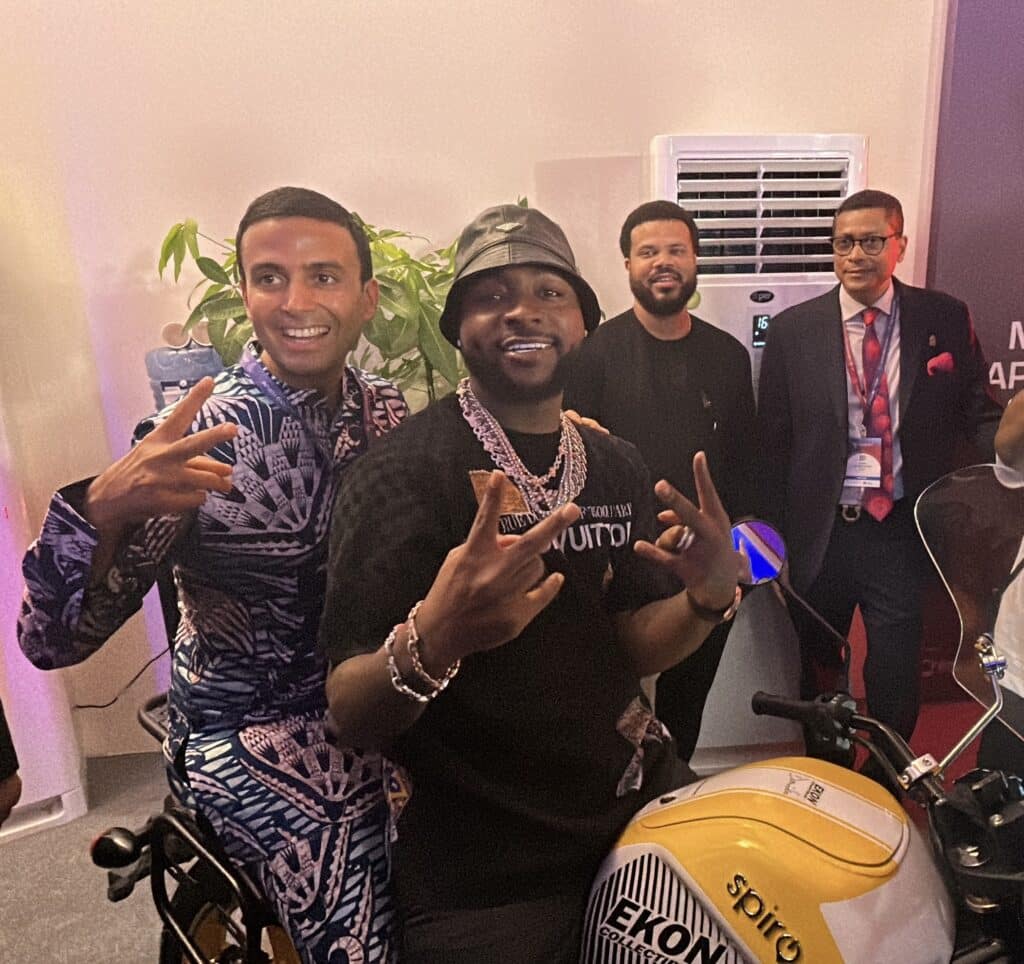
SPIRO understands this. Africa’s largest electric mobility company has just raised $215 million from European and African investors, nearing a billion-dollar valuation, and its founder, Gagan Gupta frames the business plainly. SPIRO builds electric vehicles “made in Africa by Africans for Africa and the world.” When it launched its motorcycle line with Afrobeats star Davido, it tied brand, culture and real continental impact into one story the world could see, and Davido called it turning visibility into ownership. That is the move.
The choice facing African brands this World Cup
So can the 2026 World Cup help close Africa’s visibility gap? On its own, no. A single tournament does not close a structural gap.
What it does is hand every brand doing real work on the continent a rare stretch of the world’s full attention. That is the opening. The brands that use it to show the work they are doing here will narrow the gap, for themselves and for the way the continent is seen. The brands that spend the window on a logo and a hospitality box will watch the attention fade the day the final whistle blows.
The world is looking at Africa right now. The brands building real things here get to decide what it sees.
Helping them decide is the work I do.
