
Africa’s visibility gap is a concern.
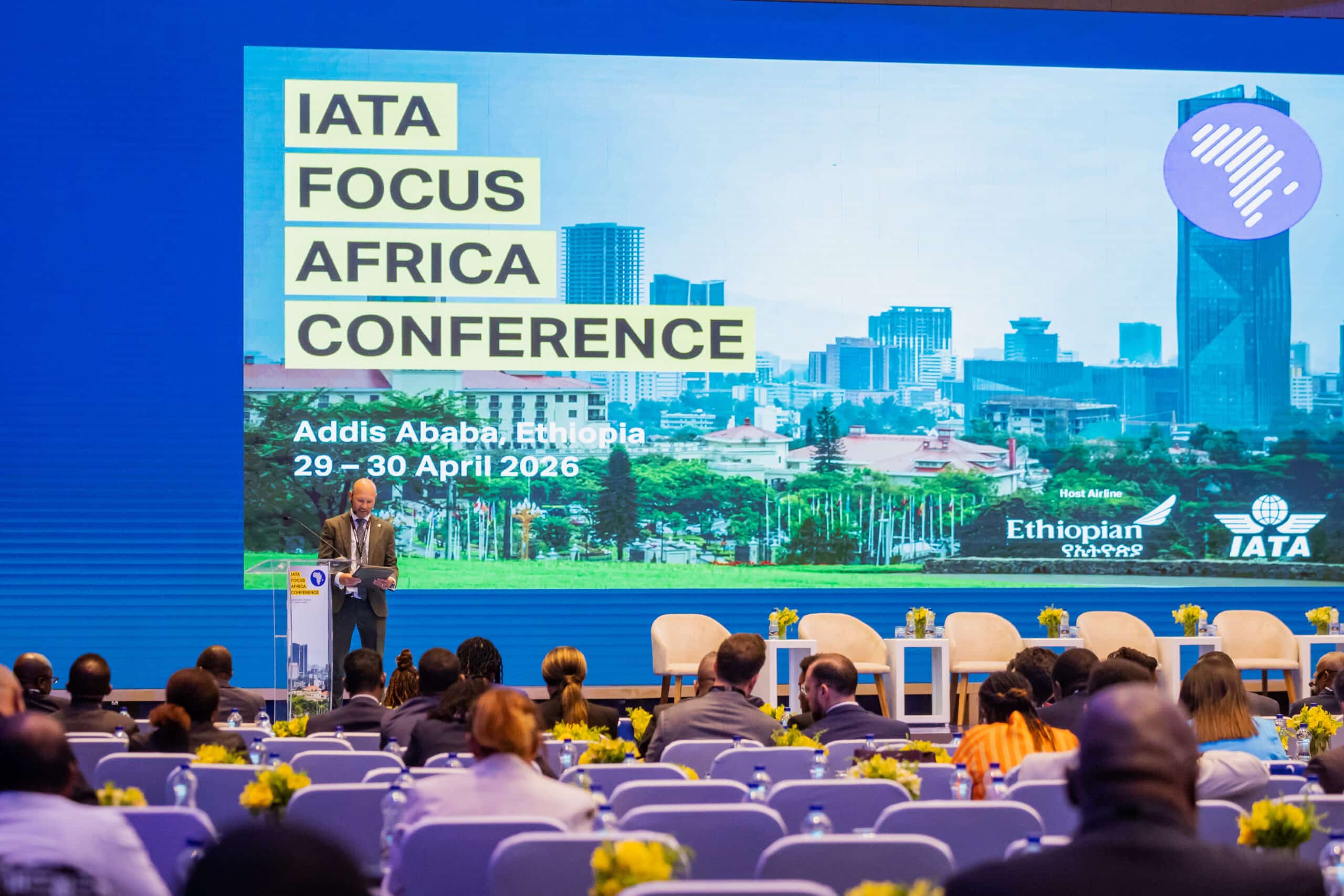
A few weeks ago, I was in Addis Ababa for IATA Focus Africa 2026.
Business Traveller attended as the Global Media Partner. The conversations focused on aviation: connectivity, safety, operational efficiency.
I left thinking about something else.
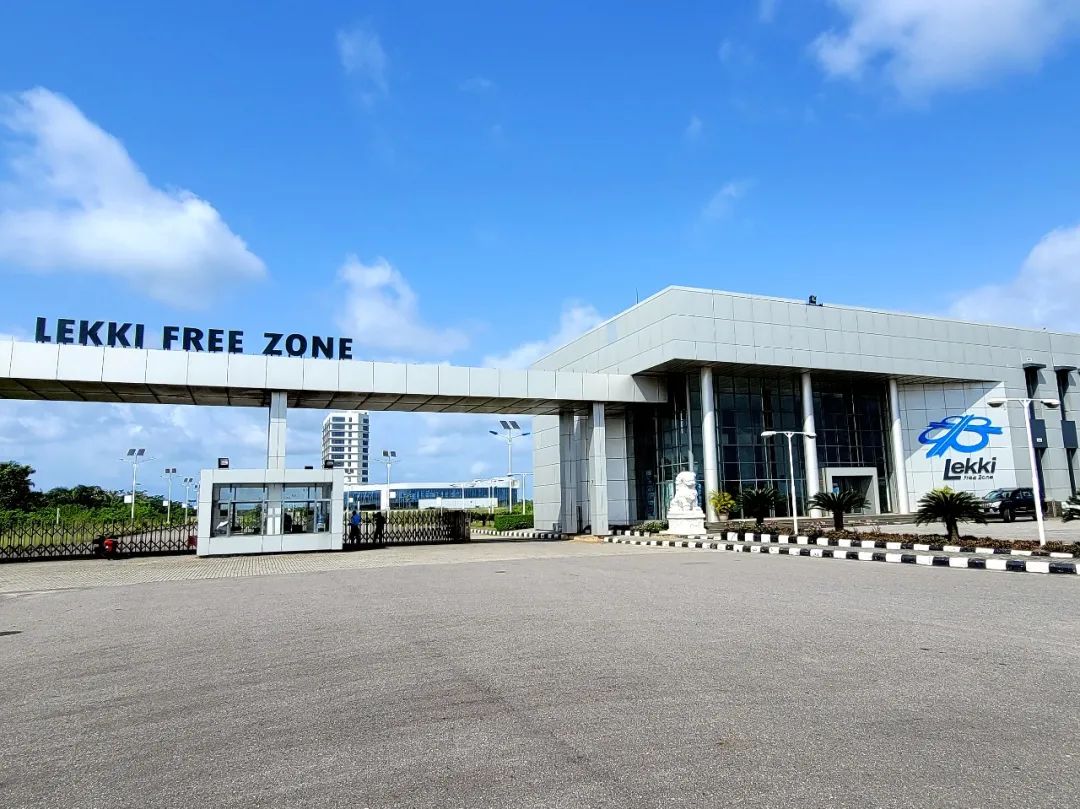
A few days later, I toured the Lekki Economic Zone in Lagos. The Free Zone covers around 16,500 hectares. Inside it sit the Lekki Deep Sea Port, Dangote Refinery, Alaro City, planned airport infrastructure, and a growing industrial base.
I had heard of Lekki before. Most people have heard fragments.
Standing inside it is different.
Lekki is also personal for me. Years ago, before media and enterprise sales, I led a project for a compressed natural gas company that helped build some of the early gas infrastructure feeding into the zone. I came back this time as someone working in African media and business travel. I noticed something I had not expected.
Even people who should understand what Lekki is often do not.
Friction
The progress in Lekki is real. The infrastructure exists. The trade logic works. The operators explain the commercial model clearly.
Outside a small circle of African business, policy and investment professionals, few people understand what Lekki represents.
The progress is happening. The companies behind it stay largely invisible to the audiences that matter.
I noticed the same pattern in other places.
I was in Nairobi the day before the France-Africa summit. The summit got the headlines. The companies and partnerships moving around it got far less attention.
At last year’s Africa CEO Forum in Abidjan, the rooms were full of operators working on real problems in finance, logistics, energy and manufacturing. The same conversations continued in Kigali this week at the Africa CEO Forum.
The events get covered. The companies making the moves underneath them often do not.
Why visibility affects capital allocation
The continent is producing more progress than it is producing visibility for the companies driving that progress.
That gap has commercial weight.
Visibility affects capital allocation. It affects which routes get launched. It affects which partnerships move from interest to commitment. It affects whether a global business sees an African market as operationally viable or permanently speculative.
Inside the system, this slows things down in ways that are hard to measure.
Africa’s media infrastructure problem
Africa is building.
The companies building it are not being seen clearly.
Roads, ports, airlines and industrial zones are recognised as infrastructure. Media, advertising and editorial systems are usually treated as marketing.
They do the same job. They reduce the distance between the companies doing the work and the audiences who need to see them.
What this means for media partnerships
This shapes how I think about media partnerships, advertising, business travel coverage, and which rooms a brand walks into.
These are part of how the companies driving Africa’s growth become commercially understood by the people who move capital, attention and partnership toward them.
The work needs credibility. It needs operators, not commentators. It needs institutions willing to treat visibility as seriously as they treat balance sheets.
The work to be done
This is partly why I have become more deliberate about the work I do at the intersection of media, business travel, advertising and African growth.
Move between Addis Ababa, Nairobi, Lagos, Abidjan and Kigali over a few years and a pattern shows up. Business movement reveals confidence before commentary catches up. Routes, partnerships, summits, capital flows. These signal where the future is forming.
The latest edition of Business Traveller Africa is built around this. Conversations with the Mayor of Addis Ababa, the CEOs of Ecobank, Zemen Bank, Diaspora Insurance, the regional leadership of Zoho, and a feature on Africa Guarantee Funds. Voices already shaping the continent’s commercial future, in their own words.
Helping the companies and leaders driving that progress become more visible, more credible and easier to understand is part of what I am here to do.
Africa is building.
After Addis Ababa, Lekki, and everything in between, the work in front of me is to help the companies behind that progress be seen clearly.

2 thoughts on “The Visibility Gap Holding Back African Companies”